
Original Post: June 9, 2025
Though I said to myself,
"See, I have grown and increased in wisdom more than anyone who has ruled over Jerusalem before me; I have experienced much wisdom and knowledge."
Then I applied myself to the understanding of wisdom, and also of madness and folly, but I learned that this, too, is a chasing after the wind (hevel).1
For with much wisdom comes much sorrow; the more knowledge, the more grief.
Ecclesiastes 1:16–18
Paradise was lost, and we’re keeping ourselves exiled
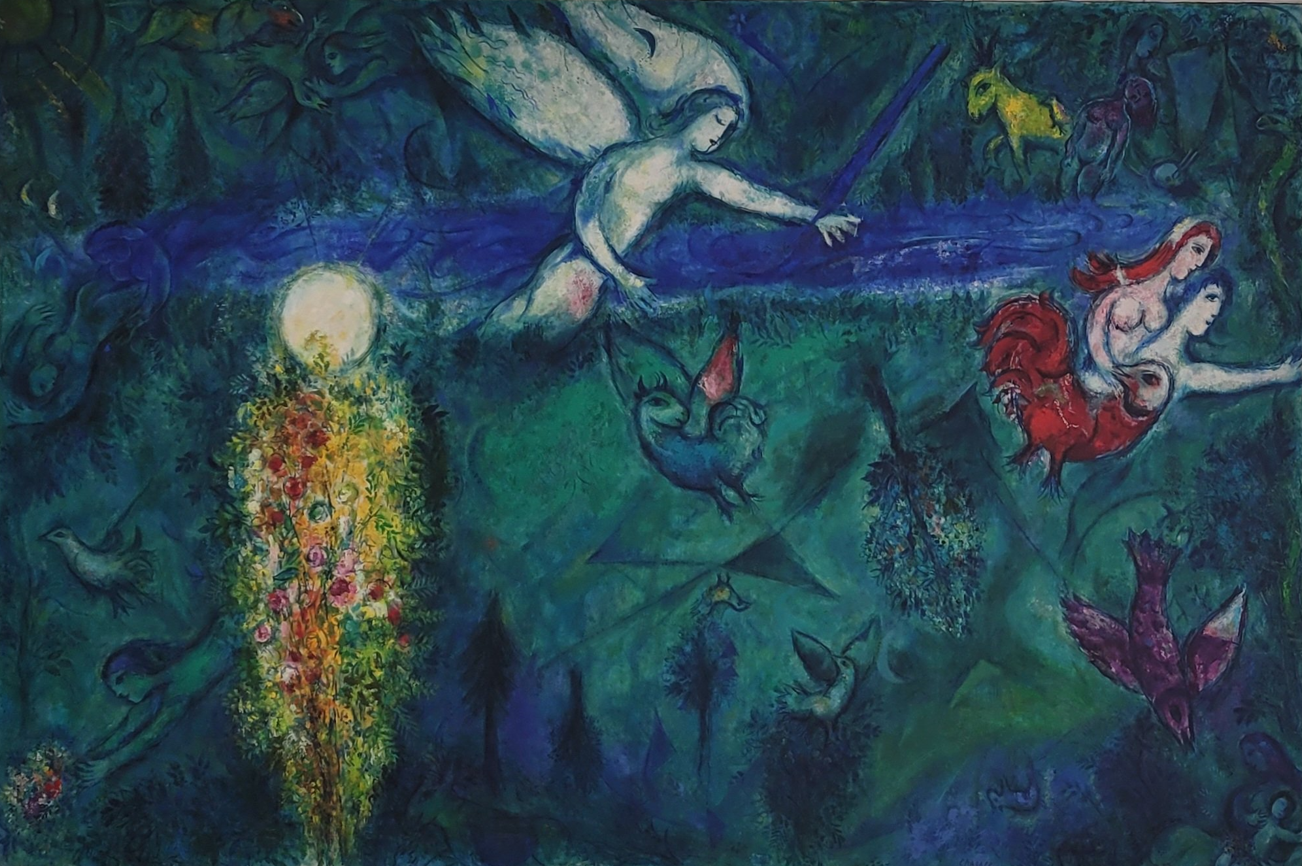
In the Judeo-Christian Origin Myth, the Tree of the Knowledge of Good and Evil marks a between trust and self-possession. We distance ourselves from sources of generative well-being by anxiously reaching to possess what has always been meant to be shared. Perhaps we do so out of fear of never being worthy of being rewarded or acknowledged. In this framing expulsion from Paradise is a consequence of the disoriented desire to seize knowledge, rather than receive it.
A desire to possess knowledge ignites a distorted drive to dictate destiny. This inevitably devolves into a desire to be one’s sole origin, a lonely, regressive journey culminating, at best, in futility.
The Fall is the imprint of material greed born of fear and has become a enduring pattern of misrecognition.
We wander, in profound confusion, seeking to satisfy our deepest longings through control rather than communion. This fundamental disorientation leads us to imagine Paradise lies elsewhere. All the while, however, The Sacred pulses both within and around us.
The biblical diagnosis is neither naïve nor sentimental. It sharply recognizes the ache of consciousness, the burden of finitude, and the fragility of knowing.
Yet it also points toward a restoration; not through ascetic detachment or intellectual conquest, but through a change in posture: A return to the participatory mode. This shift implies recognizing the sacred already present and engaging with it, rather than continually striving for an external, elusive paradise.
Love. Be confident. Create. Grow.
@ CyberArtTime 2025

- Hevel: Often translated as “vanity,” is more accurately rendered as vapor, mist, or breath. It doesn’t mean meaninglessness; instead, it signifies something transient, elusive, and inherently difficult to grasp. ↩︎
 CyberArtTime
Leave a comment